Our Heritage
Throughout Cordova Springs, you’ll find names with deep meaning: names tied to civic leaders, cultural milestones, and heroes who helped shape the heart and future of Waco.
Our name
Jacob de Cordova - Honoring the legacy of an immigrant, legislator, publisher, and land agent
Jacob de Cordova was a visionary whose influence shaped both Texas and Waco. Born in Jamaica to Spanish-Jewish parents, he arrived in Texas in 1837. He quickly became one of the state’s most respected land agents and publishers, mapping large swaths of Texas and helping new settlers make it home.
In 1848, he gifted the Waco Springs site—located near the present-day Suspension Bridge—to the people of a young and growing town. The springs were more than a water source. They were the heart of the land: clean, steady, and life-giving. By offering them to the public, de Cordova helped establish the city’s center and laid the groundwork for generations to come.
He believed that when you invest in a place, you shape its future. That belief still guides Cordova Springs today. The springs that once fed downtown still run beneath this land and through Waco Creek, winding through our neighborhood. Cordova Springs carries forward his spirit of generosity, growth, and belonging.




Our LAnd
The former home of Baylor's Floyd Casey Football Stadium
Cordova Springs is rooted in a place full of memories for Wacoans: the former site of Baylor’s Floyd Casey Stadium. For decades, this was where the city came together—to cheer, to play, to belong.
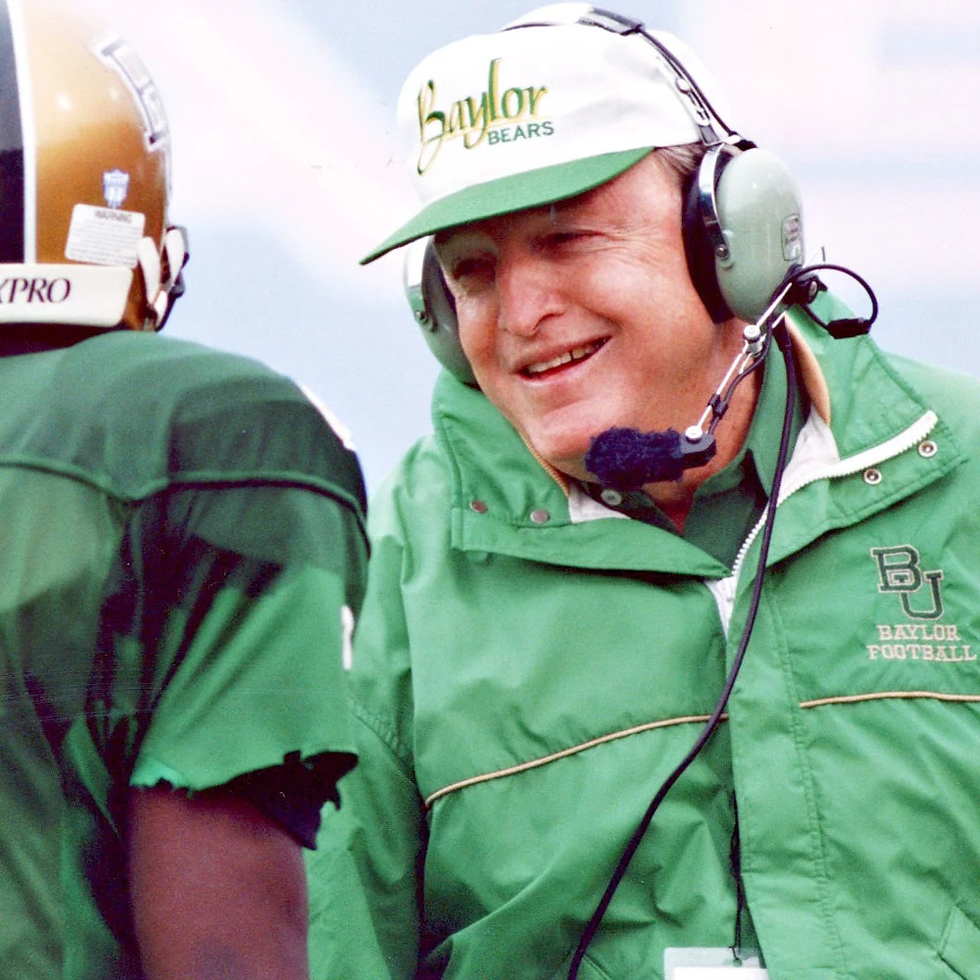
It’s where kids grew up under Friday night lights, where legendary coach Grant Teaff led Baylor to a historic comeback over the University of Texas in 1974—known forever as the “Miracle on the Brazos”—
securing the Bears’ first Southwest Conference title in 50 years. It’s also where Robert Griffin III, better known as RGIII, earned the Heisman Trophy in 2011.
Though the stadium is gone, the spirit of gathering remains. Cordova Springs carries that forward—bringing people together once more on land where Waco has always come to celebrate.
Our PARKS AND STREETS
Honoring some of Waco's most influential Hispanic leaders.
1949–present
Alice Martinez Rodriguez
A legacy of leadership and community impact

Across Clay Avenue from Cordova Springs, a new city park bears the name of Alice Martinez Rodriguez—a beloved public servant whose decades of leadership have helped shape South Waco and beyond.
Alice served more than 26 years on the Waco City Council. During her tenure, she championed projects that expanded access, preserved cultural heritage, and created opportunities for families across Waco.
Her advocacy is rooted in deep community care, and her leadership earned recognition at every level—from the YMCA Pathfinder Award to the National Hispanic Leadership Association Award. She also played a key role in founding the Hispanic Museum of Waco and served on numerous boards and initiatives that shaped Waco’s future.
She and her husband, the late Joe Rodriguez—who led the Centex Hispanic Chamber of Commerce for 20 years—left a lasting legacy of service, representation, and pride within Waco’s Hispanic community.
The park that now carries her name isn’t just a space to gather—it’s a symbol of the difference one person can make when they care for their community.
1953–2007
Carlos Pesina Jr.
A man who stood for service, creativity, and community

One of the inaugural streets in Cordova Springs bears the name Carlos Pesina—a lasting tribute to a man whose leadership, entrepreneurship, and heart left an unmistakable mark on Waco.
Carlos was a South Waco native, a successful small business owner, and a dedicated public servant. For more than two decades, his salon, Hair Designs, has sat just across the creek from what is now Cordova Springs. But it is more than a business. It is a gathering place—a place where neighbors share stories, laughter, and a deep sense of belonging.
Carlos brought that same spirit of connection to his public work. He served on the Waco City Council from 2001 to 2004 and was appointed Mayor Pro Tem from 2003 to 2004. He also held positions on the WISD Board of Trustees, Planning & Zoning Commission, Building Standards Commission, and the boards of the Greater Waco Chamber of Commerce and the Dr Pepper Museum.
During most of Pesina's civic speeches, he would often quote the song "De Colores." This traditional Mexican folk song celebrates the idea that the more colors we see, the more vibrant and meaningful our world becomes. Though life feels a little dimmer without him, the love and influence he left behind continue to shine through his family and community.
In every role, he led with humility and heart. He believed in opportunity for all and worked to ensure Waco was a place where families could grow, neighbors could thrive, and every voice mattered.
1950–present
Ernesto Fraga Sr.
A life of advocacy, connection, and cultural pride

Ernesto Fraga Sr. Street forms the northeast border of Cordova Springs—a lasting tribute to a man whose life’s work has helped shape a more just and connected Waco.
As founder and editor of Tiempo Newspaper, Ernesto created more than a publication. He built a vital bridge for Spanish-speaking residents—delivering timely, empowering news and amplifying voices long left out of traditional media. For 36 years, Tiempo informed, connected, and uplifted Waco’s Latino community.
But Ernesto’s legacy reaches beyond journalism. A lifelong advocate for equity, justice, and civic engagement, he championed causes that strengthened Waco’s cultural fabric and moved the city toward greater inclusion.
In 2019, health issues led him to close Tiempo—but his impact lives on in the lives he touched, the stories he preserved, and now, in the street that bears his name.